Retirement & Wealth: Complete Guide to Building Financial Freedom (2026)

Posted on July 25, 2026 by admin

Retirement & Wealth – Complete Guide to Building Financial Freedom (2026) | InvestSathi

πŸ–οΈ Retirement & Wealth: Complete Guide to Building Financial Freedom (2026)

Retirement planning is not just about saving moneyβ€”it’s about creating long-term wealth that can support your lifestyle after you stop working. A well-planned retirement strategy combines disciplined saving, smart investing, risk management, and regular portfolio reviews to help you achieve financial independence.

This complete 2026 guide explains how to build retirement wealth, estimate your retirement needs, choose suitable investment options, and avoid common retirement planning mistakes.

πŸ“– Read Complete Guide

1. What is Retirement Planning?

Retirement planning is the process of building sufficient financial resources to maintain your lifestyle after your regular employment income stops. It includes saving, investing, tax planning, insurance, and wealth management.


2. Why Retirement Planning is Important

  • βœ… Financial independence after retirement
  • βœ… Protection against inflation
  • βœ… Peace of mind during retirement years
  • βœ… Ability to meet healthcare expenses
  • βœ… Long-term wealth creation

3. Essential Components of Retirement Wealth

Component Purpose
Retirement Goal Estimate future financial needs.
Regular Investments Build wealth gradually through disciplined investing.
Asset Allocation Balance growth potential and risk.
Insurance Protect your family’s financial future.
Periodic Review Keep your plan aligned with changing goals.

4. Popular Retirement Investment Options

  • πŸ“ˆ Equity Mutual Funds
  • πŸ’Ό Hybrid Mutual Funds
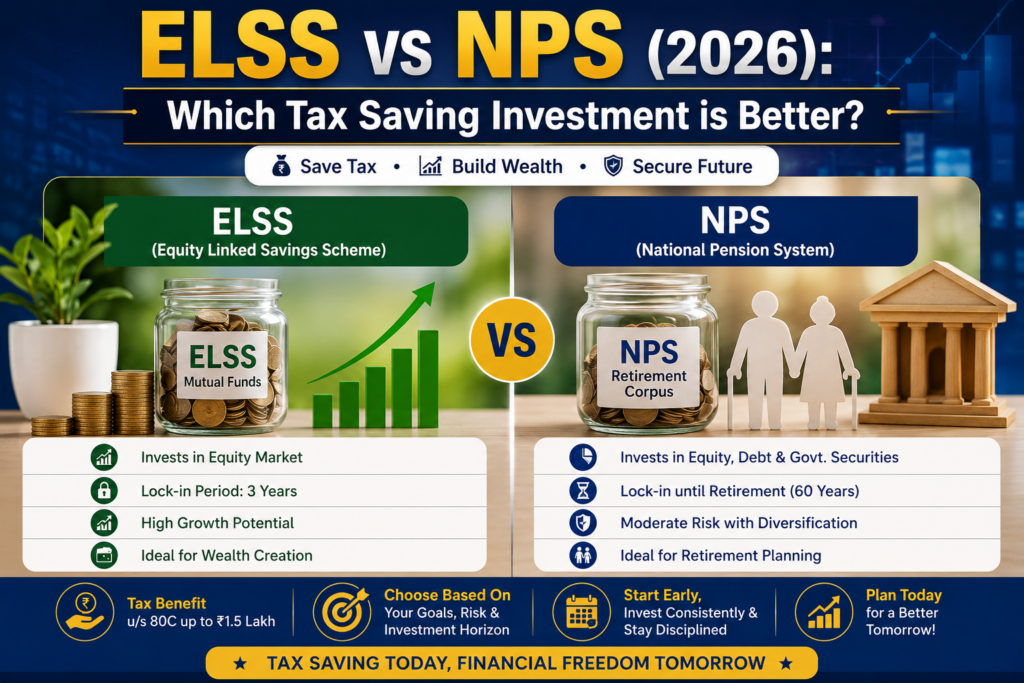
  • 🏦 National Pension System (NPS)
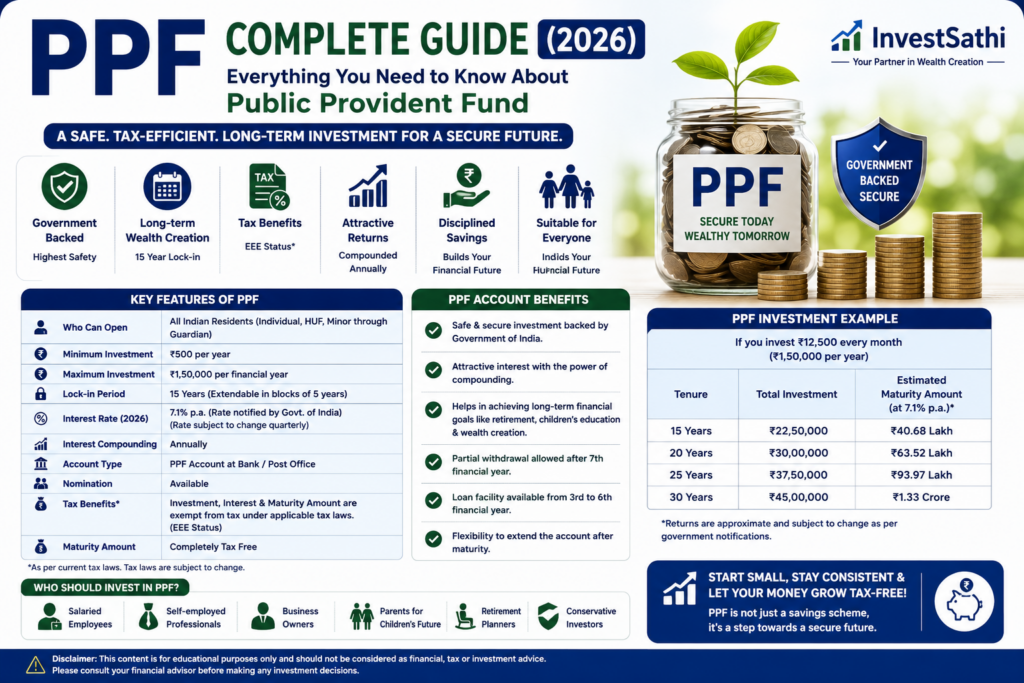
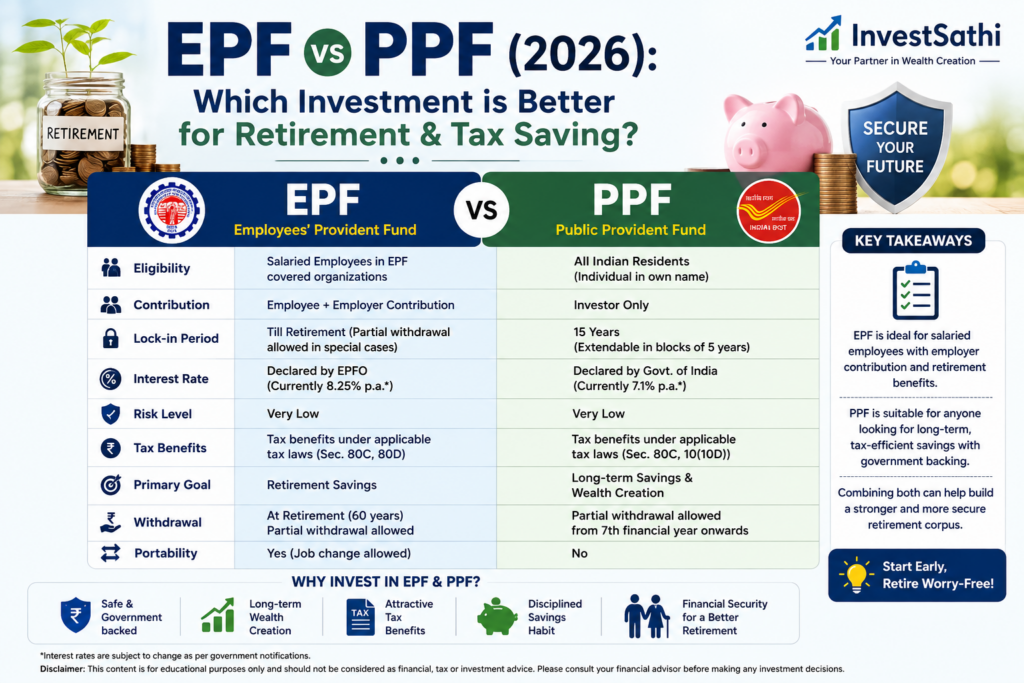
  • πŸ’° Public Provident Fund (PPF)
  • πŸ›οΈ Employees’ Provident Fund (EPF)
  • 🏦 Fixed Income Investments

5. Common Retirement Planning Mistakes

  • ❌ Starting too late
  • ❌ Ignoring inflation
  • ❌ Saving without investing
  • ❌ Not reviewing your portfolio
  • ❌ Depending on a single income source
  • ❌ Underestimating healthcare expenses

6. Retirement Planning Checklist

Task Status
Set Retirement Goal ☐
Start Monthly SIP ☐
Build Emergency Fund ☐
Review Portfolio Yearly ☐
Increase Investments Regularly ☐

Frequently Asked Questions (FAQs)

Q1. When should I start retirement planning?
The earlier you begin, the more time your investments have to potentially benefit from long-term growth and compounding.

Q2. Can SIPs help with retirement planning?
Many investors use SIPs as part of a disciplined long-term investment strategy for retirement goals.

Q3. Why should inflation be considered?
Inflation can reduce purchasing power over time, so retirement planning should account for rising future expenses.

Q4. How often should I review my retirement plan?
Review your retirement plan at least once a year or whenever your financial situation or goals change.


Key Takeaway

A comfortable retirement is built through consistent investing, thoughtful planning, diversification, and regular reviews. Starting early and staying disciplined can improve your long-term financial security.


Disclaimer: This article is for educational purposes only and should not be considered financial, investment, or tax advice. Investments are subject to market risks. Please read all scheme-related documents carefully before investing.

Power of Compounding Explained: How Small Investments Can Build Big Wealth (2026 Guide)

Posted on by admin

Power of Compounding Explained – How Small Investments Can Build Big Wealth (2026 Guide) | InvestSathi

πŸ“ˆ Power of Compounding Explained: How Small Investments Can Build Big Wealth (2026 Guide)

The power of compounding is one of the most important concepts in investing. It allows your investment returns to generate additional returns over time, helping your money grow faster the longer you stay invested.

In this complete 2026 guide, you’ll learn how compounding works, why starting early matters, and how consistent investing through SIPs and long-term investing can help build wealth over time.

πŸ“– Read Complete Guide

1. What is Compounding?

Compounding is the process where your investment earns returns, and those returns also begin earning returns. Over time, this creates a snowball effect that can significantly increase the value of your investments.


2. How Compounding Works

Suppose you invest money and earn returns. Instead of withdrawing those returns, they remain invested. In the next period, you earn returns on both your original investment and the previously earned returns. This cycle repeats over time.


3. Key Factors That Influence Compounding

Factor Importance
Time The longer you stay invested, the greater the potential impact of compounding.
Consistency Regular investing helps build wealth gradually.
Returns Higher long-term returns can increase compounding potential, though returns are not guaranteed.
Patience Avoiding unnecessary withdrawals allows compounding to continue.

4. Benefits of Compounding

  • πŸ“ˆ Potential for long-term wealth creation.
  • πŸ’° Returns may generate additional returns.
  • ⏳ Rewards disciplined, long-term investing.
  • 🎯 Supports goal-based investing.
  • πŸ“Š Can help investments grow faster over long periods.

5. How to Maximize Compounding

  • βœ… Start investing as early as possible.
  • βœ… Invest regularly through SIPs.
  • βœ… Stay invested for the long term.
  • βœ… Reinvest earnings whenever possible.
  • βœ… Review your portfolio periodically.

6. Common Mistakes That Reduce Compounding

  • ❌ Delaying investments.
  • ❌ Frequently withdrawing money.
  • ❌ Trying to time the market.
  • ❌ Stopping SIPs during market volatility.
  • ❌ Chasing short-term returns.

7. Compounding Checklist

Action Status
Start Investing Early ☐
Invest Through SIP ☐
Stay Invested Long Term ☐
Reinvest Returns ☐
Review Portfolio Yearly ☐

Frequently Asked Questions (FAQs)

Q1. What is the power of compounding?
Compounding is when your investment returns generate additional returns over time, potentially accelerating long-term growth.

Q2. Why is starting early important?
More time generally allows compounding to have a greater effect on investment growth.

Q3. Does compounding guarantee profits?
No. Investment returns are not guaranteed, and all market-linked investments carry risk.

Q4. Which investments can benefit from compounding?
Many long-term investments, including mutual funds and other reinvested investments, may benefit from compounding over time.


Key Takeaway

The greatest advantage of compounding is time. Starting early, investing consistently, and remaining invested for the long term can significantly improve your wealth-building potential.


Disclaimer: This article is for educational purposes only and should not be considered financial, tax, or investment advice. Investments are subject to market risks. Please read all scheme-related documents carefully before investing.

Inflation and Your Investments: How to Protect Your Wealth (2026 Guide)

Posted on by admin

Inflation and Your Investments – How to Protect Your Wealth (2026 Guide) | InvestSathi

πŸ“ˆ Inflation and Your Investments: How to Protect Your Wealth (2026 Guide)

Inflation gradually reduces the purchasing power of money over time. If your investments do not grow faster than inflation, your real wealth may decline even if your account balance increases. Understanding inflation is essential for making smarter long-term investment decisions.

In this complete 2026 guide, you’ll learn how inflation affects your savings and investments, which asset classes may help combat inflation, and practical strategies to protect your financial future.

πŸ“– Read Complete Guide

1. What is Inflation?

Inflation is the gradual increase in the prices of goods and services over time. As prices rise, the purchasing power of your money decreases, meaning the same amount of money buys fewer goods and services.


2. Why Inflation Matters for Investors

  • πŸ“‰ Reduces the real value of savings.
  • πŸ“ˆ Increases the cost of future financial goals.
  • πŸ’° Can reduce the purchasing power of fixed-income investments.
  • 🎯 Makes long-term investment planning more important.

3. How Inflation Affects Different Investments

Investment Impact of Inflation
Savings Account Purchasing power may decline if returns are lower than inflation.
Fixed Deposits Returns may not always outpace inflation.
Debt Mutual Funds Performance depends on interest rates and market conditions.
Equity Mutual Funds May provide long-term growth potential, though returns are market-linked.
Gold Often considered by investors as a diversification asset during inflationary periods.

4. Strategies to Beat Inflation

  • βœ… Invest for the long term.
  • βœ… Diversify across different asset classes.
  • βœ… Review your portfolio regularly.
  • βœ… Increase investments as your income grows.
  • βœ… Stay disciplined with SIPs and goal-based investing.

5. Common Mistakes to Avoid

  • ❌ Keeping all savings in a bank account.
  • ❌ Ignoring inflation while planning financial goals.
  • ❌ Investing without diversification.
  • ❌ Stopping investments during market volatility.
  • ❌ Not reviewing investments periodically.

6. Inflation Protection Checklist

Action Status
Set Inflation-Adjusted Goals ☐
Diversify Investments ☐
Review Portfolio Annually ☐
Increase SIPs Over Time ☐
Maintain Emergency Fund ☐

Frequently Asked Questions (FAQs)

Q1. What is inflation?
Inflation is the increase in the prices of goods and services over time, reducing the purchasing power of money.

Q2. Why should investors care about inflation?
Inflation can reduce the real value of investment returns if portfolio growth does not keep pace with rising prices.

Q3. Can diversification help?
Diversification can help manage risk by spreading investments across different asset classes.

Q4. Should I review my investments regularly?
Yes. Periodic reviews help ensure your investments remain aligned with your goals and changing financial needs.


Key Takeaway

Inflation is a silent wealth reducer. Building a diversified portfolio, investing consistently, and reviewing your financial plan regularly can help improve your chances of maintaining purchasing power over the long term.


Disclaimer: This article is for educational purposes only and should not be considered financial, tax, or investment advice. Investments are subject to market risks. Please read all scheme-related documents carefully before investing.

10 Common Investment Mistakes Every Investor Should Avoid (2026 Guide)

Posted on by admin

10 Common Investment Mistakes Every Investor Should Avoid (2026 Guide) | InvestSathi

⚠️ 10 Common Investment Mistakes Every Investor Should Avoid (2026 Guide)

Successful investing is not just about choosing the right investmentβ€”it is also about avoiding costly mistakes. Many investors lose money because of emotional decisions, poor planning, unrealistic expectations, or lack of diversification.

In this complete 2026 guide, you’ll discover the 10 most common investment mistakes and learn practical strategies to avoid them for long-term wealth creation.

πŸ“– Read Complete Guide

1. Investing Without Clear Financial Goals

Investing without defining your financial objectives can lead to poor investment decisions. Always identify whether your goal is retirement, child education, buying a house, or wealth creation.


2. Trying to Time the Market

Waiting for the “perfect time” to invest often causes investors to miss long-term growth opportunities. Consistent investing is generally more effective than attempting to predict market movements.


3. Not Diversifying Your Portfolio

Putting all your money into a single investment or asset class increases risk. Diversifying across suitable investments can help reduce overall portfolio risk.


4. Letting Emotions Drive Decisions

Fear during market declines and greed during market rallies often lead to poor investment choices. Stick to your financial plan instead of reacting emotionally.


5. Ignoring Risk Tolerance

Choose investments that match your financial goals, investment horizon, and ability to handle market fluctuations.


6. Delaying Investments

Starting early allows your investments more time to potentially benefit from compounding.


7. Ignoring Investment Costs

Expense ratios, brokerage charges, and taxes can affect long-term returns. Compare costs before investing.


8. Not Reviewing Your Portfolio

Review your portfolio periodically to ensure it continues to align with your financial goals and risk profile.


9. Following Rumors or Tips

Avoid making investment decisions based solely on social media, friends, or unverified market tips. Always research before investing.


10. Ignoring Emergency Savings

An emergency fund can help cover unexpected expenses without forcing you to sell long-term investments at an unfavorable time.


Investment Checklist

Checklist Status
Set Financial Goals ☐
Build Emergency Fund ☐
Diversify Investments ☐
Review Portfolio Annually ☐
Invest Regularly ☐

Frequently Asked Questions (FAQs)

Q1. What is the biggest investment mistake?
Investing without clear financial goals or a long-term plan is one of the most common mistakes.

Q2. Should I stop investing during market falls?
Investment decisions should be based on your financial plan, goals, and risk tolerance rather than short-term market movements.

Q3. How often should I review my investments?
Review your portfolio at least once a year or after major life events.

Q4. Why is diversification important?
Diversification helps spread risk across different investments, reducing the impact of poor performance from any single asset.


Key Takeaway

Successful investing is built on discipline, diversification, patience, and a well-defined financial plan. Avoiding common mistakes can be just as important as selecting the right investments.


Disclaimer: This article is for educational purposes only and should not be considered financial, tax, or investment advice. Investments are subject to market risks. Please read all scheme-related documents carefully before investing.

How to Build Wealth in Your 30s: Complete Financial Guide (2026)

Posted on by admin

How to Build Wealth in Your 30s – Complete Financial Guide (2026) | InvestSathi

πŸ’° How to Build Wealth in Your 30s: Complete Financial Guide (2026)

Your 30s are one of the most important decades for building long-term wealth. During this stage of life, many people experience career growth, increasing income, family responsibilities, and larger financial goals. Developing smart financial habits now can significantly improve your financial security in the years ahead.

In this complete 2026 guide, you’ll learn practical strategies to build wealth in your 30s through budgeting, investing, debt management, insurance, retirement planning, and disciplined financial decision-making.

πŸ“– Read Complete Guide

1. Why Your 30s Matter Financially

Your 30s provide an excellent opportunity to increase savings, invest consistently, reduce debt, and take advantage of long-term compounding. Decisions made during this decade can have a meaningful impact on future financial outcomes.


2. Set Clear Financial Goals

  • 🏠 Buying a home
  • πŸ‘¨β€πŸ‘©β€πŸ‘§ Child education planning
  • πŸ– Retirement planning
  • πŸš— Major purchases
  • πŸ’° Building long-term wealth

3. Build a Strong Financial Foundation

Priority Why It Matters
Emergency Fund Helps cover unexpected expenses.
Health Insurance Protects against large medical costs.
Life Insurance Supports your family’s financial security.
Budget Helps control spending and increase savings.

4. Invest for Long-Term Growth

  • πŸ“ˆ Invest regularly through SIPs.
  • πŸ“Š Diversify across suitable asset classes.
  • πŸ’Ή Review your portfolio periodically.
  • ⏳ Stay invested for the long term.

5. Manage Debt Wisely

  • βœ… Repay high-interest loans first.
  • βœ… Avoid unnecessary borrowing.
  • βœ… Maintain a healthy credit score.
  • βœ… Borrow only when necessary.

6. Increase Your Income

  • πŸ’Ό Improve professional skills.
  • πŸ“š Continue learning and certifications.
  • πŸ’» Explore side income opportunities.
  • πŸ“ˆ Invest in career development.

7. Common Mistakes to Avoid

  • ❌ Delaying investments.
  • ❌ Ignoring retirement planning.
  • ❌ Lifestyle inflation with every salary increase.
  • ❌ Not reviewing financial goals.
  • ❌ Depending on a single income source.

8. Wealth Building Checklist

Task Status
Create Monthly Budget ☐
Build Emergency Fund ☐
Purchase Health Insurance ☐
Start Regular SIPs ☐
Review Investments Annually ☐

Frequently Asked Questions (FAQs)

Q1. Is it too late to start investing in my 30s?
No. Starting in your 30s still gives you many years to benefit from disciplined investing and compounding.

Q2. Should I invest or repay loans first?
The answer depends on factors such as the loan’s interest rate, your financial goals, and your overall financial situation.

Q3. How important is an emergency fund?
An emergency fund helps manage unexpected expenses without disrupting long-term financial goals.

Q4. How often should I review my investments?
A yearly review, or a review after significant life changes, is generally a good practice.


Key Takeaway

Building wealth in your 30s is about consistent saving, disciplined investing, smart debt management, adequate insurance, and staying focused on long-term financial goalsβ€”not trying to get rich quickly.


Disclaimer: This article is for educational purposes only and should not be considered financial, tax, or investment advice. Investments are subject to market risks. Please read all scheme-related documents carefully before investing and consult a qualified financial advisor where appropriate.