
Warren Buffett Investment Strategy: 10 Timeless Lessons for Every Investor

Posted on July 10, 2026 by admin

πŸ“ˆ Warren Buffett Investment Strategy: 10 Timeless Lessons for Every Investor

Warren Buffett is widely regarded as one of the greatest investors in history. His disciplined approach to investing has created extraordinary wealth over several decades. Instead of chasing short-term profits, Buffett focuses on quality businesses, patience, and long-term value creation.

Whether you’re a beginner or an experienced investor, understanding Warren Buffett’s investment philosophy can help you make smarter financial decisions and build long-term wealth.

πŸ“– Read Complete Guide

1. Invest in Businesses You Understand

Buffett believes investors should only invest in businesses they understand. Knowing how a company earns money makes it easier to evaluate its long-term potential.


2. Think Long-Term

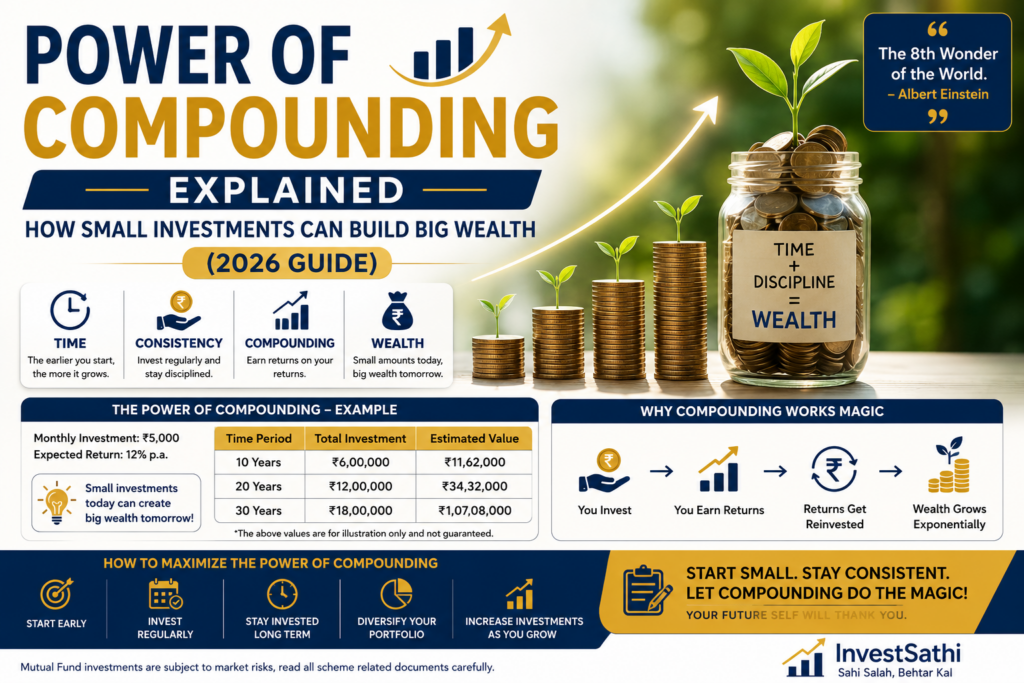
One of Buffett’s most famous principles is to remain invested for many years. Long-term investing allows the power of compounding to generate significant wealth.


3. Buy Quality, Not Cheap Stocks

A great company purchased at a fair price is often better than a poor company bought cheaply. Focus on companies with strong fundamentals and consistent growth.


4. Don’t Follow the Crowd

Avoid emotional investing. Buffett encourages investors to stay calm during market volatility and make decisions based on research instead of market hype.


5. Let Compounding Work

Small investments made consistently over many years can create substantial wealth through the power of compounding.


Investment Principles at a Glance

Principle Meaning
Long-Term Investing Stay invested for years
Quality Businesses Strong management & profits
Patience Ignore short-term market noise
Discipline Follow your investment plan

Common Mistakes to Avoid

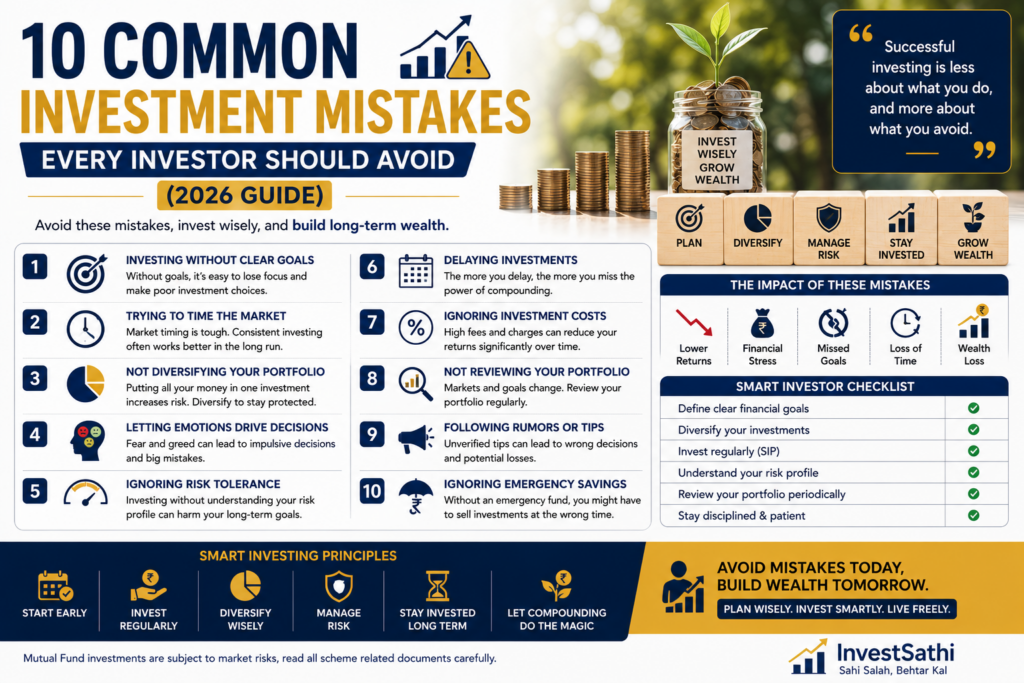
  • ❌ Investing without proper research.
  • ❌ Trying to time the market.
  • ❌ Buying stocks based on rumours.
  • ❌ Panic selling during market corrections.
  • ❌ Expecting guaranteed returns.

Key Lessons from Warren Buffett

  • βœ… Invest only in businesses you understand.
  • βœ… Focus on long-term wealth creation.
  • βœ… Be patient and disciplined.
  • βœ… Ignore short-term market fluctuations.
  • βœ… Continue learning about investing.

Key Takeaway

Successful investing is not about finding the next hot stock. It is about buying quality businesses, staying invested for the long term, and allowing compounding to work in your favor.


Final Thoughts

Warren Buffett’s investment philosophy is simple yet powerful. By staying patient, avoiding emotional decisions, and investing with a long-term mindset, investors can significantly improve their chances of achieving financial success.


Disclaimer: This article is for educational purposes only and should not be considered investment advice. Investments in Mutual Funds and the securities market are subject to market risks. Please consult your financial advisor before making investment decisions.

How to Start Investing in Mutual Funds (Beginner Guide)

Posted on by admin

πŸ“ˆ How to Start Investing in Mutual Funds (Beginner Guide)

Mutual Funds are one of the easiest and most popular investment options for beginners. They allow you to invest in professionally managed portfolios with as little as β‚Ή500 through SIP. Whether your goal is wealth creation, retirement planning, or your child’s education, Mutual Funds can help you achieve your financial goals through disciplined investing.

πŸ“– Read Complete Guide

1. What is a Mutual Fund?

A Mutual Fund pools money from many investors and invests it in stocks, bonds, or other securities. The fund is managed by professional fund managers, making it a convenient option for beginners who want to invest without selecting individual stocks.


2. Why Should You Invest?

  • βœ” Professional Fund Management
  • βœ” Diversified Portfolio
  • βœ” Start SIP from β‚Ή500
  • βœ” Long-Term Wealth Creation
  • βœ” Easy Online Investment

3. Steps to Start Investing

  1. Set your financial goals.
  2. Complete your KYC.
  3. Choose the right Mutual Fund.
  4. Start a SIP.
  5. Review your portfolio regularly.

4. SIP vs Lump Sum

SIP Lump Sum
Invest monthly One-time investment
Suitable for beginners Suitable with surplus funds
Reduces market timing risk Higher timing risk

5. Key Benefits

  • βœ… Professional Management
  • βœ… Diversification
  • βœ… Liquidity
  • βœ… Affordable Investment
  • βœ… Long-Term Wealth Creation

Key Takeaway

Start investing early, stay consistent with SIPs, and remain invested for the long term. Time in the market is more important than timing the market.


Final Thoughts

Mutual Funds are an excellent investment option for beginners looking to build wealth in a disciplined manner. Choose funds based on your financial goals, invest regularly through SIP, and stay invested to benefit from long-term compounding.


Disclaimer: This article is for educational purposes only and should not be considered investment advice. Mutual Fund investments are subject to market risks. Please read all scheme-related documents carefully before investing.

Who Should Invest in Portfolio Management Services (PMS)?

Posted on June 28, 2026 by admin

pms

“`html

πŸ“Š Who Should Invest in Portfolio Management Services (PMS)?

Portfolio Management Services (PMS) is a premium investment solution designed for investors seeking personalized wealth management. Unlike Mutual Funds, PMS offers a customized investment portfolio managed by experienced professionals based on your financial goals, risk tolerance, and investment horizon.

While PMS can be an excellent choice for long-term wealth creation, it is not suitable for every investor. Let’s understand who should consider investing in PMS and whether it aligns with your financial objectives.

πŸ“– Read Complete Guide

1. What is Portfolio Management Services (PMS)?

Portfolio Management Services (PMS) is a professionally managed investment service where a portfolio manager builds and manages a customized portfolio of stocks and other securities. The investment strategy is designed specifically for each investor rather than following a common portfolio for everyone.

  • βœ” Personalized investment strategy
  • βœ” Direct ownership of stocks
  • βœ” Professional portfolio management
  • βœ” Active monitoring and rebalancing
  • βœ” Long-term wealth creation focus

2. Who Should Invest in PMS?

PMS may be suitable for the following types of investors:

  • βœ… High Net Worth Individuals (HNIs): Investors with a substantial investment corpus seeking personalized portfolio management.
  • βœ… Long-Term Investors: Individuals planning to stay invested for at least 5 years to benefit from professional stock selection and compounding.
  • βœ… Experienced Equity Investors: Investors who understand market volatility and wish to build long-term wealth.
  • βœ… Business Owners & Professionals: Busy individuals who prefer experts to manage their investments while they focus on their careers or businesses.
  • βœ… Investors Seeking Customization: Those who want portfolios aligned with their personal financial goals instead of standardized investment products.

3. Who Should Avoid PMS?

  • ❌ First-time investors.
  • ❌ Investors looking for guaranteed returns.
  • ❌ Individuals with a very short investment horizon.
  • ❌ Investors uncomfortable with market volatility.
  • ❌ Those requiring frequent liquidity.

4. PMS vs Mutual Funds

Feature PMS Mutual Funds
Portfolio Customized Common Portfolio
Ownership Direct Stocks Fund Units
Management Personalized Standardized
Suitable For Experienced Investors Retail Investors

5. Benefits of PMS

  • βœ… Personalized investment strategy.
  • βœ… Professional research-driven portfolio management.
  • βœ… Direct ownership of securities.
  • βœ… Better transparency.
  • βœ… Active risk management.
  • βœ… Potential for long-term wealth creation.

6. Expert Tips Before Investing

  • πŸ’‘ Invest with a long-term perspective.
  • πŸ’‘ Understand your financial goals before choosing PMS.
  • πŸ’‘ Select an experienced portfolio manager.
  • πŸ’‘ Review your portfolio periodically.
  • πŸ’‘ Stay invested during market volatility instead of reacting emotionally.

Key Takeaway

Portfolio Management Services is ideal for investors seeking personalized investment management, professional expertise, and long-term wealth creation. It works best for disciplined investors who understand market risks and want customized investment solutions.


Final Verdict

There is no one-size-fits-all investment solution. PMS can be an excellent choice if you seek professional portfolio management, personalized investment strategies, and long-term wealth creation. Before investing, carefully evaluate your financial goals, risk tolerance, and investment horizon, and consult a qualified financial advisor.


Disclaimer: This article is for educational purposes only and should not be considered investment, tax, or legal advice. Investments in the securities market are subject to market risks. Past performance is not indicative of future results. Please consult your financial advisor and read all related documents carefully before investing.
“`

PMS vs Mutual Funds: Which is Better for Serious Investors?

Posted on June 27, 2026 by admin

“`html

πŸ“Š Who Should Invest in Portfolio Management Services (PMS)?

Portfolio Management Services (PMS) is a premium investment solution designed for investors who want personalized portfolio management and professional investment expertise. Unlike Mutual Funds, PMS offers customized investment strategies based on an individual’s financial goals, risk appetite, and investment horizon.

However, PMS is not suitable for everyone. Understanding who can benefit the most from PMS will help you make an informed investment decision.

πŸ“– Read Complete Guide

1. What is Portfolio Management Services (PMS)?

Portfolio Management Services (PMS) is a professional investment service where an experienced portfolio manager creates and manages a customized portfolio of stocks and other securities based on the investor’s financial objectives.

  • βœ” Personalized investment strategy
  • βœ” Direct ownership of securities
  • βœ” Active portfolio monitoring
  • βœ” Professional research-based investing
  • βœ” Long-term wealth creation focus

2. Who Should Invest in PMS?

βœ… High Net Worth Individuals (HNIs)

PMS is generally suitable for investors with a substantial investment corpus who are looking for customized wealth management solutions.

βœ… Long-Term Investors

Investors with a long-term investment horizon of 5 years or more can benefit from professional portfolio management and the power of compounding.

βœ… Investors Seeking Personalized Strategies

If you prefer investments tailored specifically to your financial goals instead of a common portfolio shared with other investors, PMS can be an appropriate option.

βœ… Busy Professionals & Business Owners

People who don’t have enough time to research markets or manage investments regularly can benefit from professional portfolio management.

βœ… Experienced Equity Investors

Investors who understand equity market volatility and are comfortable with long-term investing may find PMS suitable for their investment strategy.


3. Who Should Avoid PMS?

  • ❌ First-time investors.
  • ❌ Investors looking for guaranteed returns.
  • ❌ Investors with a short investment horizon.
  • ❌ Investors uncomfortable with market fluctuations.
  • ❌ Those seeking frequent withdrawals or high liquidity.

4. Benefits of Investing in PMS

  • βœ… Customized portfolio based on your financial goals.
  • βœ… Professional fund management.
  • βœ… Direct ownership of stocks and securities.
  • βœ… Active portfolio monitoring and rebalancing.
  • βœ… Greater transparency compared to pooled investment products.
  • βœ… Potential for long-term wealth creation.

5. Things to Consider Before Investing

Factor Why It Matters
Investment Goal Choose PMS only if it aligns with your long-term objectives.
Risk Appetite PMS investments are subject to market fluctuations.
Investment Horizon Long-term investing generally provides better opportunities.
Professional Expertise Review the portfolio manager’s philosophy and track record.

6. Common Mistakes Investors Make

  • ❌ Expecting quick profits.
  • ❌ Ignoring investment risks.
  • ❌ Frequently changing investment strategy.
  • ❌ Investing without understanding the product.
  • ❌ Comparing short-term performance with long-term goals.

Expert Tips

  • πŸ’‘ Invest with a long-term perspective.
  • πŸ’‘ Review your portfolio periodically.
  • πŸ’‘ Diversify across asset classes when appropriate.
  • πŸ’‘ Choose an experienced portfolio manager.
  • πŸ’‘ Stay disciplined during market volatility.

Key Takeaway

PMS is best suited for investors seeking personalized investment management, professional expertise, and long-term wealth creation. It is most appropriate for disciplined investors who understand market risks and are willing to stay invested over the long term.


Final Verdict

Portfolio Management Services can be an excellent investment solution for serious investors who value customized portfolio management and expert guidance. Before investing, ensure that your financial goals, risk tolerance, and investment horizon align with the PMS strategy you choose.


Disclaimer: This article is for educational purposes only and should not be considered investment, legal, or tax advice. Investments in securities are subject to market risks. Past performance does not guarantee future results. Please consult a qualified financial advisor and read all scheme-related documents carefully before making any investment decision.

“`

Why Time in the Market Beats Timing the Market

Posted on by admin

πŸ“ˆ Why Time in the Market Beats Timing the Market

Many investors spend years trying to predict the perfect time to buy or sell stocks. Unfortunately, consistently timing the market is extremely difficultβ€”even for experienced professionals. History shows that staying invested for the long term has created more wealth than trying to predict every market movement.

Successful investing is less about finding the perfect entry point and more about allowing quality investments enough time to grow through the power of compounding.

πŸ“– Read Complete Guide

1. What is Market Timing?

Market timing means trying to predict when prices will rise or fall so you can buy at the lowest point and sell at the highest point.

Although this sounds simple, no one can consistently predict market movements because prices react to thousands of economic, political, and global events.

  • Waiting for the “perfect” buying opportunity
  • Buying after news becomes positive
  • Selling during panic
  • Trying to avoid every market correction

2. What Does Time in the Market Mean?

Time in the market means staying invested through market ups and downs while allowing your investments to benefit from long-term business growth and compounding.

Rather than reacting to every market fluctuation, disciplined investors remain focused on their financial goals.


3. Why Staying Invested Creates More Wealth

βœ… Compounding Works Only With Time

Compounding allows your investment returns to generate additional returns year after year. The longer your money remains invested, the greater the wealth creation potential.

βœ… Markets Always Recover

Every major market correction in history has eventually been followed by recovery. Investors who stayed invested benefited from these recoveries.

βœ… Missing Best Days Can Hurt Returns

Many of the stock market’s biggest gains happen shortly after major declines. Investors waiting for “the right time” often miss these powerful recovery rallies.

βœ… Businesses Continue to Grow

Quality companies continue increasing their profits over many years. Long-term shareholders participate in this growth irrespective of short-term volatility.


4. Example

Investor Waiting for Perfect Timing Investor Staying Invested
Keeps waiting for market correction Starts investing immediately
Misses several rallies Benefits from every market recovery
Makes emotional decisions Follows a disciplined strategy
Lower long-term returns Higher probability of wealth creation

5. Common Mistakes Investors Make

  • ❌ Waiting forever for the perfect entry price.
  • ❌ Selling during market panic.
  • ❌ Buying after prices have already surged.
  • ❌ Following social media investment tips.
  • ❌ Ignoring long-term financial goals.
  • ❌ Checking portfolio every day and reacting emotionally.

6. Best Practices for Long-Term Investors

  • βœ” Invest regularly.
  • βœ” Focus on quality businesses.
  • βœ” Stay invested through market cycles.
  • βœ” Review your portfolio periodically.
  • βœ” Diversify across sectors and asset classes.
  • βœ” Trust discipline more than predictions.

Key Takeaway

“It’s not about finding the perfect time to invest.

It’s about giving your investments enough time to grow.”


Final Thoughts

Nobody can consistently predict market highs and lows. Instead of chasing perfect timing, successful investors focus on building a diversified portfolio, staying disciplined, and allowing time to work in their favor.

Patience, consistency, and long-term thinking remain the most powerful wealth creation strategies.


Disclaimer: This article is intended for educational purposes only and should not be considered financial or investment advice. Investments in securities are subject to market risks. Please consult a qualified financial advisor before making investment decisions.